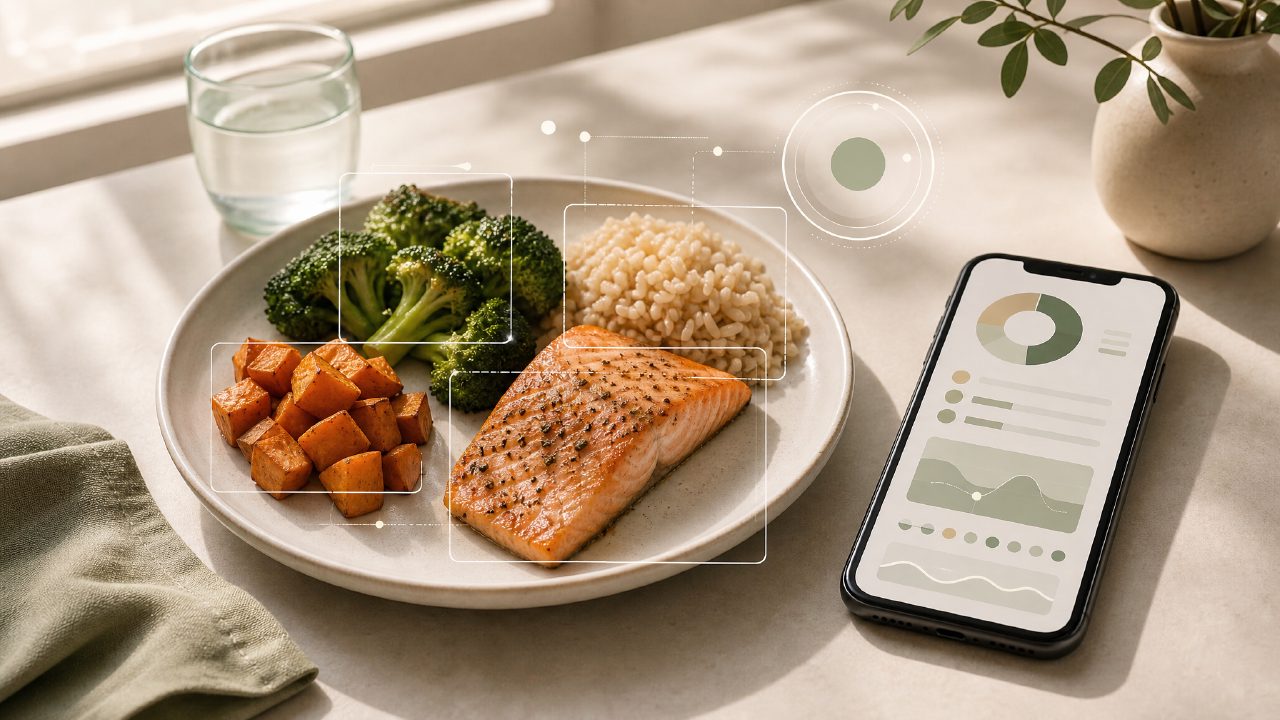
How accurate is EtinAI for dinner calorie tracking?
I’ve been using EtinAI for a few weeks now, mostly for dinners, and I’d say the accuracy is decent for a photo-based tool, but not perfect. It does a solid job with recognizable foods—like a grilled chicken breast or a bowl of rice. But when I snapped a photo of a stir-fry with lots of vegetables and a few different proteins, it identified the chicken but missed some of the veggies. That meant I had to manually adjust the meal composition a bit. The tradeoff is convenience for precision: it saves time but expects you to double-check occasionally, especially when you’re following something like a High-Protein Diet. For dinner, where portion sizes matter, See how High-Protein Diet helps muscle gain by using the app’s protein tracking feature—just be aware that you might need to verify the amounts if the dish is complex.
Can I use EtinAI to track vegetables and healthy sides in my dinner?
Yes, and it actually handles most common vegetables pretty well. I tested it with a plate of roasted broccoli, bell peppers, and a sweet potato. It recognized the broccoli immediately and gave a reasonable calorie estimate. Where it struggled was with mixed greens or very dense stir-fries—it sometimes confused spinach with lettuce. To get the most out of it, Learn the basics of Healthy Eating by reviewing the app’s built-in tips. They also have a section where you can Check our Balanced Nutrition meal tips for ideas on building a dinner plate that covers protein, carbs, and fats. That part felt useful because it helped me think beyond just calories.
Does the app work well for low-fat dinner options?
I tried it on a low-fat dinner: grilled fish with steamed asparagus and a small quinoa salad. The app recognized the fish and asparagus almost instantly. The calorie count seemed reasonable compared to my manual estimates. One mild friction I noticed: when I layered multiple low-fat ingredients like lemon juice, herbs, and a tiny drizzle of oil, the app didn’t always pick up the oil—so the calorie total was a bit low. That’s when I’d suggest you Explore the best Low-Fat Diet ingredients within the app’s library. It lists common lean proteins and vegetables, which helps you cross-check. Overall, it’s a good tool for keeping a low-fat dinner on track, but you need to be deliberate about adding condiments or oils manually.
How does EtinAI help me stick to dietary guidelines for dinner?
This was one of my main testing questions. After a week of dinners, I found that the app’s breakdown of macros—protein, carbs, fat—aligned well with general dietary recommendations. For example, my dinner of chicken stir-fry came back as 35g protein, 40g carbs, and 12g fat. That fits within typical guidelines. I’d recommend you Follow Dietary Guidelines for daily meals using the app’s weekly summary feature. It shows averages, which helped me notice I was consistently under on vegetables. The app doesn’t force a specific diet, but it gives you the data to adjust. One cautious note: for very multi-component dishes like casseroles or soups, the breakdown felt less reliable—I’d manually edit the food entries on those.
Is it worth using EtinAI for dinner if I’m already logging manually?
If you’re already comfortable with manual logging, the photo-snap feature is still a time-saver for straightforward meals. I found myself using it most for weeknight dinners when I just wanted a quick estimate. But if you eat a lot of mixed dishes or often cook with hard-to-identify ingredients, you might spend more time correcting the app than logging manually. The real value for dinner is the speed and the visual feedback—it’s easier than typing everything. Etin also lets you save recent meals, so after the first few corrections, repeat dinners become very fast. It’s a practical tool, not a perfect one, and that tradeoff has been okay for me.
Comments
Leave a Comment