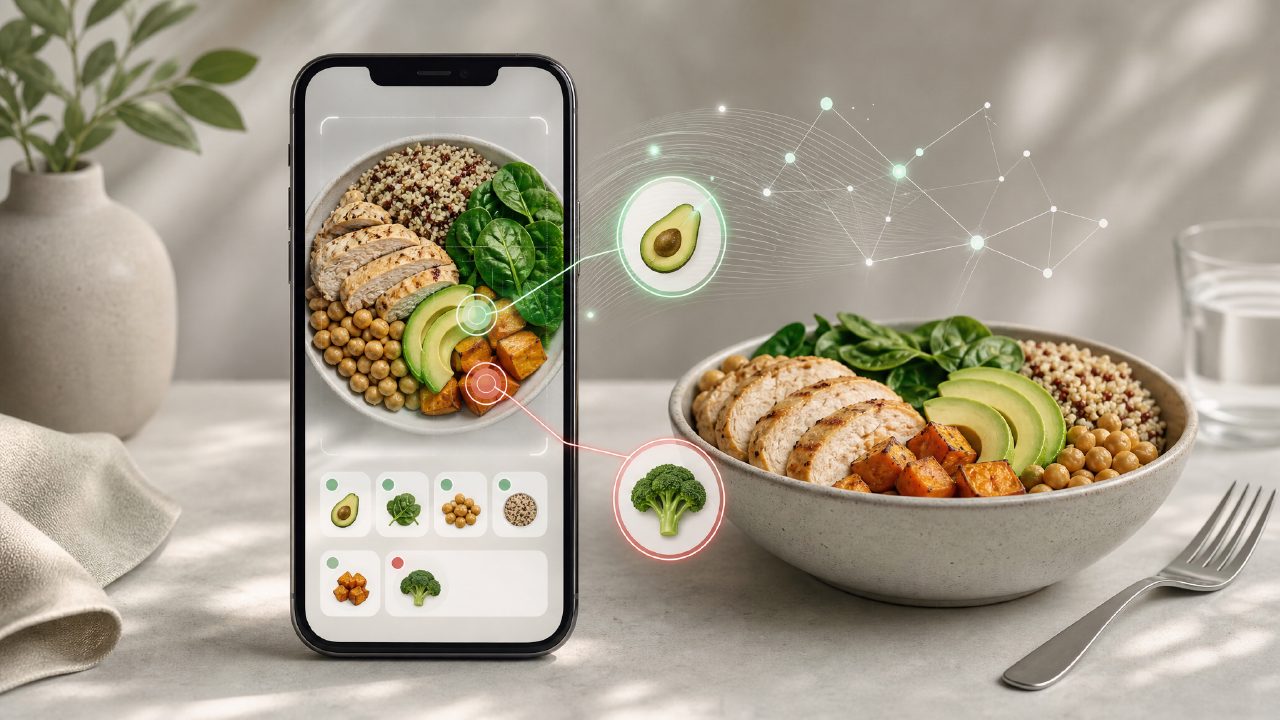
I’ve been testing several photo-based calorie trackers over the past few weeks, and etin (EtinAI) came up enough in search results that I figured I’d give it a proper spin. The pitch is straightforward: snap a picture of your meal, and the AI tells you the calories, protein, carbs, and fat. No manual entry, no scanning barcodes, just your phone camera and a few seconds.
After about a week of using it for breakfasts, lunches, and a couple of dinners, I’ve got some grounded observations — and a few reservations.
First impressions: speed that surprised me
The first thing I noticed was how fast the recognition is. I pointed the camera at a bowl of oatmeal with blueberries and a drizzle of honey. Within roughly three seconds, the app returned: 340 calories, 12g protein, 54g carbs, 8g fat. Those numbers felt reasonable for my portion size — I’d eyeballed about a cup of oats, half a cup of berries, and maybe a tablespoon of honey. That’s faster than any barcode scanner I’ve used, and definitely faster than typing out ingredients.
It also handled a messy plate of scrambled eggs, toast, and avocado without choking. It correctly identified the eggs and avocado, though it missed the toast’s bread type — it defaulted to “white bread” when I’d used whole wheat. That’s a minor thing, but worth noting if you’re trying to be precise about fiber intake.
Where the AI gets it wrong sometimes
I tested etin on a homemade stir-fry with chicken, broccoli, bell peppers, and a soy-ginger sauce. The app identified “chicken and vegetable stir-fry” and estimated 450 calories. But when I looked closer, it had lumped the sauce under “soy sauce” without accounting for the oil or ginger. The actual calorie count was probably closer to 520–550, based on my prep. That’s a 15–20% undercount, which is significant if you’re eating similar meals daily.
I’ve noticed the AI struggles most with mixed dishes where sauce or dressing is a key contributor to calories. A Caesar salad with croutons and parmesan? It identified the lettuce and chicken, but missed the dressing entirely until I manually adjusted the portion. So it’s not fully hands-off — you still need to double-check the ingredient breakdown and adjust serving sizes occasionally. That’s a realistic tradeoff: speed for accuracy.
Tracking over time: simple dashboard, but limited detail
The main dashboard shows your daily totals for calories, protein, carbs, and fat in a clean bar chart. It’s easy to see at a glance whether you’re under or over your targets. I like that it doesn’t clutter the screen with badges, streaks, or social features. It feels like a tool, not a gamified app. The weekly view is similarly sparse — just a list of days with totals — but that might be enough for casual tracking.
What’s missing: there’s no macro breakdown by meal, and no way to log water intake or exercise directly within the app. If you’re the kind of person who wants all your health data in one place, you’ll need to keep a separate tracker for activity. It also lacks a recipe builder, so if you eat the same home-cooked meal regularly, you’ll have to snap a photo each time — no saving custom meals as favorites. I found that a bit repetitive after day three of the same lunch.
Who should consider etin — and who might not
Etin is best for people who want a friction-free way to get ballpark numbers without logging every ingredient. If you eat simple, recognizable foods — fruit, meat, vegetables, eggs, rice — the AI is impressively accurate. It’s also great for eating out: I tested it on a restaurant burger and fries, and it correctly identified the bun, patty, lettuce, tomato, and fries, giving me a 680-calorie estimate. That saved me the awkward “how many grams of fries are in this basket?” guesswork.
But if you cook complex dishes with multiple sauces, dressings, or blended ingredients, you’ll spend time correcting portion estimates. And if you need precise tracking for medical or performance reasons — say, a bodybuilder cutting for a competition — the margin of error might be too wide. In that case, a food scale and a database like Cronometer would serve you better.
A qualified recommendation
After a week, I’d say etin does what it promises: quick photo-based tracking that reduces the mental overhead of logging food. It’s not flawless — the stir-fry undercount and missing custom meal saves are legit frustrations — but for anyone who already finds calorie counting tedious, it’s a step up from typing every item into a search bar. Just go in knowing you’ll need to spot-check the AI’s output now and then. I’ll keep it on my phone for now, mostly for those days when I grab lunch on the go and don’t want to spend five minutes logging it.
Comments
Leave a Comment