Jumping into a low-fat diet sounds simple enough: cut the fat, lose the weight. But the reality is riddled with pitfalls. I've been testing this approach using EtinAI to track what I actually eat, and what the app revealed surprised me – mostly because my assumptions about “low-fat” were completely off.
Why “Low-Fat” Doesn’t Automatically Mean “Healthy”
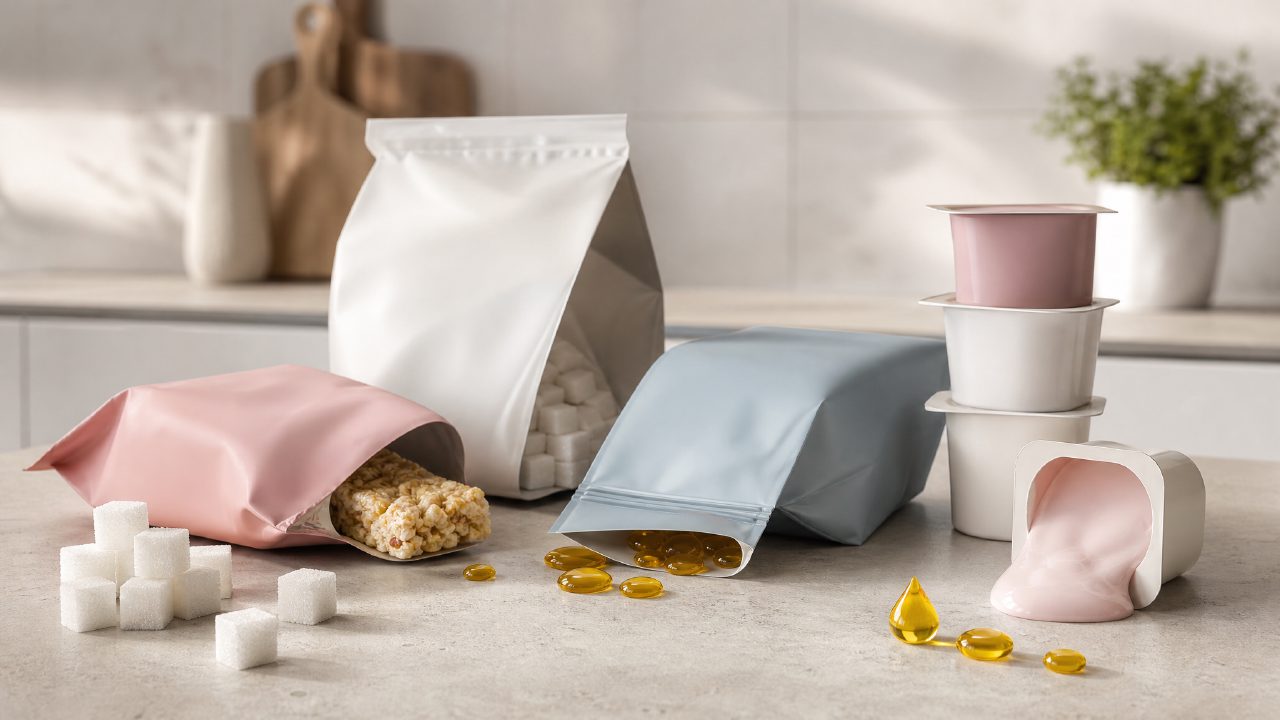
My first week, I snapped a photo of a “low-fat” blueberry muffin. The etin scan showed it had 12 grams of fat – not terrible – but also 38 grams of sugar. That’s the classic trap: when manufacturers strip out fat, they often pump in sugar and refined carbs to make up for taste. Low-Fat becomes a license to eat more, and your calorie total actually climbs.
Another concrete example: I thought switching from whole-milk Greek yogurt to a fat-free version was a win. The EtinAI data showed the fat-free tub had nearly the same calories but significantly less protein. For anyone trying to stay full between meals, that’s a real loss.
Hidden Fats in “Healthy” Vegetables and Salad Dressings
I started eating more vegetables, assuming they were automatically low-fat. They are – until you drown them in dressing. One day I drizzled a “light” ranch over a big spinach salad. The photo scan logged 14 grams of fat. Light, not free. You need to Learn the basics of Healthy Eating to interpret these numbers realistically, because no app can force you to pour less.
That’s where I hit a mild friction with EtinAI: it sometimes misidentifies sauces. A creamy dressing came up as “mayonnaise-based” when it was actually yogurt-based. The calorie estimate was still close, but the fat gram count was off by about 4 grams. It’s a limitation worth noting – you still have to double-check tricky items.
Read Labels Even When You Snap a Photo
Relying purely on AI tracking can make you complacent. I’d Check our Balanced Nutrition meal tips, then snap a photo of a granola bar labeled “low-fat.” The app registered 5 grams of fat but also 14 grams of added sugar. The bar felt “safe” because it was low-fat, but it spiked my blood sugar every afternoon.
One realistic tradeoff: you can Follow Dietary Guidelines for daily meals and still feel hungry if you avoid all fat. Avocados, nuts, olive oil – they’re calorie-dense but necessary for satiety. An extreme low-fat approach left me craving snacks by 3 PM, which undid the whole point.
The Bottom Line
If you’re serious about going low-fat, don’t treat it as a free pass. Explore the best Low-Fat Diet ingredients – think lean proteins, whole grains, and real vegetables – but be skeptical of anything labeled “fat-free.” I also started See how High-Protein Diet helps muscle gain alongside the low-fat approach, because maintaining protein intake was the only thing that kept my energy stable.
EtinAI is a useful crutch for catching where fat sneaks in, but it won’t make the choices for you. The biggest gotcha? Low-fat only works if you watch everything else too.
Comments
Leave a Comment